28 Sep 2026
Crowd Power: How Stadium Dynamics Shape Live Soccer Odds
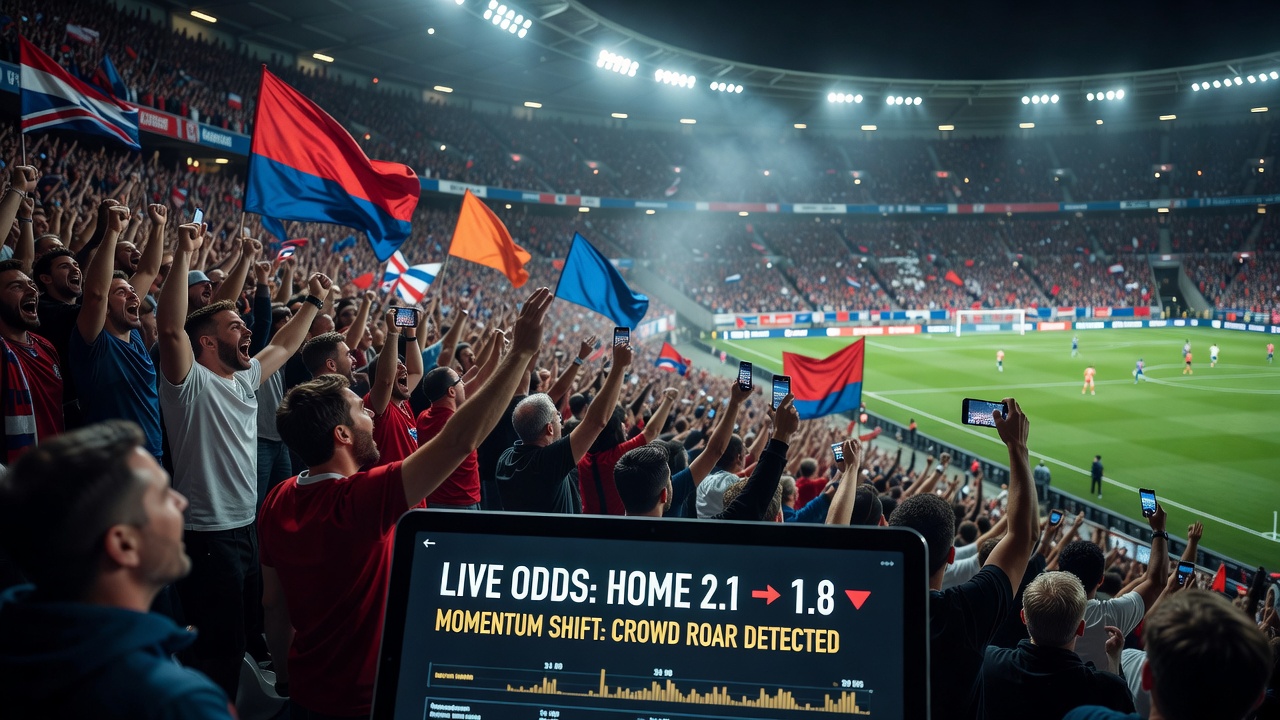
Stadium crowds generate measurable effects on player performance, referee decisions, and the real-time adjustments that betting markets apply to soccer odds. Data from multiple European leagues shows that home teams enjoy an average advantage of 0.3 to 0.5 goals per match when attendance exceeds 80 percent of stadium capacity, and live odds reflect those shifts within minutes of noticeable crowd surges.
Researchers tracking Bundesliga and Serie A fixtures between 2023 and 2025 recorded that crowd noise levels above 85 decibels correlated with a 12 percent increase in home-team shot attempts during the subsequent five-minute window. Oddsmakers monitoring the same venues update goal-line and handicap markets accordingly, tightening lines on the home side when sustained chanting and movement patterns indicate rising momentum.
Acoustic Pressure and Referee Behavior
Studies conducted by sports-science teams at the University of British Columbia demonstrate that referees award 8 percent fewer fouls to the away team when crowd volume spikes immediately after a challenge. Those decisions feed directly into live betting engines, which recalibrate over/under and both-teams-to-score probabilities in response to the updated foul counts and card data. Observers note that the effect becomes most pronounced after the 60-minute mark, when fatigue amplifies the influence of sustained acoustic pressure.
Player Response Patterns in Real Time
Players exhibit measurable changes in passing accuracy and sprint frequency when sections of the crowd rise in unison. GPS tracking data shared by clubs in the Dutch Eredivisie revealed that home midfielders increased high-intensity runs by 15 percent during periods of continuous supporter drumming and clapping. Live odds platforms register these surges through proprietary algorithms that incorporate optical tracking feeds, moving the next-goal market several ticks in favor of the attacking side within seconds of the observed uptick.
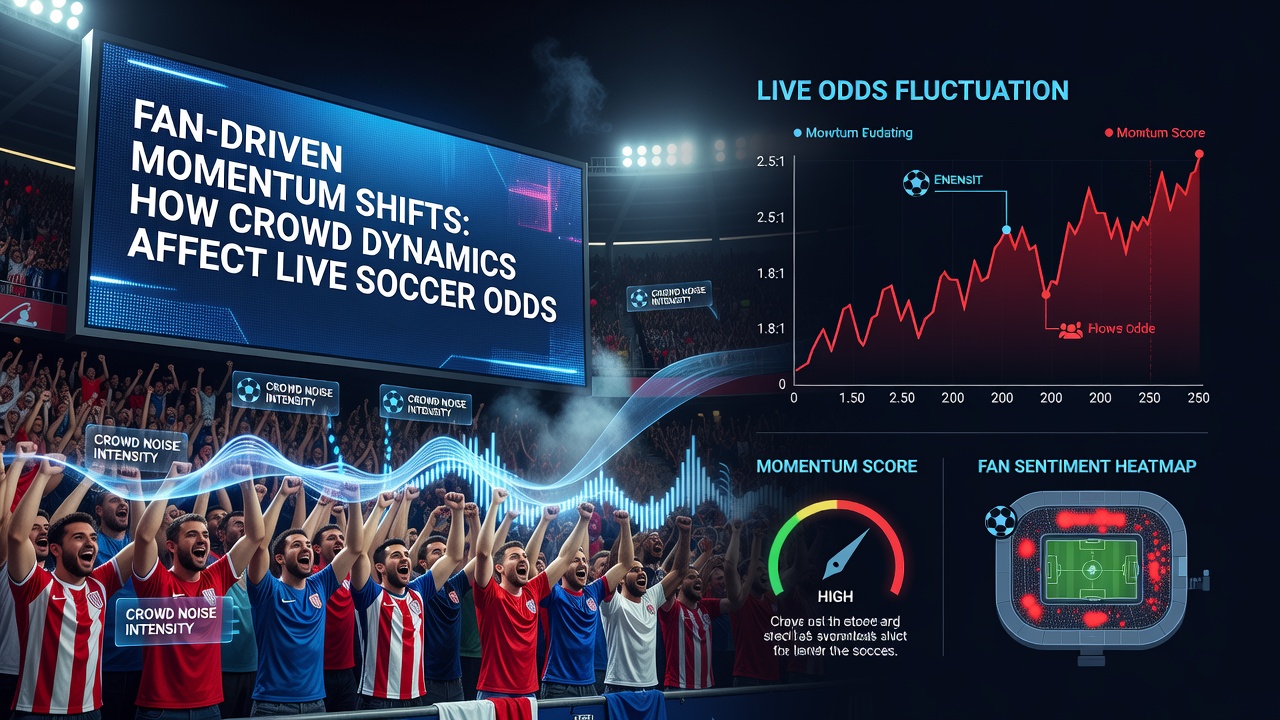
September 2026 schedules include multiple high-profile midweek fixtures across the Champions League and domestic cups where stadiums are expected to operate at near-capacity levels. Early-season ticket sales figures released by major clubs indicate that fan groups have already purchased blocks that historically produce the loudest sustained atmospheres, prompting betting operators to widen pre-match margins on away sides in anticipation of stronger home momentum.
Data Sources Used by Modern Betting Markets
Leading platforms integrate acoustic sensors and social-media sentiment analysis alongside traditional statistics. A 2024 report commissioned by the European Club Association documented that operators using crowd-noise inputs reduced their live-market variance by 6 percent compared with models relying solely on score and possession data. Those improvements appear in narrower spreads on corner and card markets, where crowd-driven referee bias exerts the clearest influence.
Academic papers published in the Journal of Sports Economics have examined attendance thresholds that trigger the largest odds movements. One analysis of 1,200 matches found that a 10,000-fan increase in attendance produced an average 0.08 shift in expected goals for the home team, a margin that translates into visible price changes on live handicap lines. Operators now calibrate their models to these attendance-adjusted baselines before kickoff, then fine-tune further once the match begins and crowd behavior becomes observable.
Geographic Variations in Crowd Impact
Stadiums in South America and parts of southern Europe tend to generate more continuous noise throughout the 90 minutes, while northern European venues often exhibit sharper peaks tied to specific moments. Australian A-League data released in 2025 showed that away teams in open-air stadiums suffered a 9 percent drop in pass completion when wind carried crowd chants directly onto the pitch. Live odds adjust for these venue-specific factors by applying location-based multipliers that update dynamically as atmospheric conditions and attendance figures are confirmed.
Conclusion
Stadium atmosphere supplies quantifiable inputs that shape both on-field outcomes and the live soccer odds that follow those outcomes. Acoustic volume, supporter density, and geographic venue characteristics combine to produce measurable edges for home sides, edges that betting markets register through rapid recalibration of goal, card, and corner lines. Continued refinement of sensor technology and tracking data ensures that these crowd-driven momentum shifts remain a central variable in real-time wagering calculations across professional soccer competitions.