11 Aug 2026
Waves of Momentum: Interpreting Time-of-Game Data Shifts in Soccer for In-Play Strategy Refinement
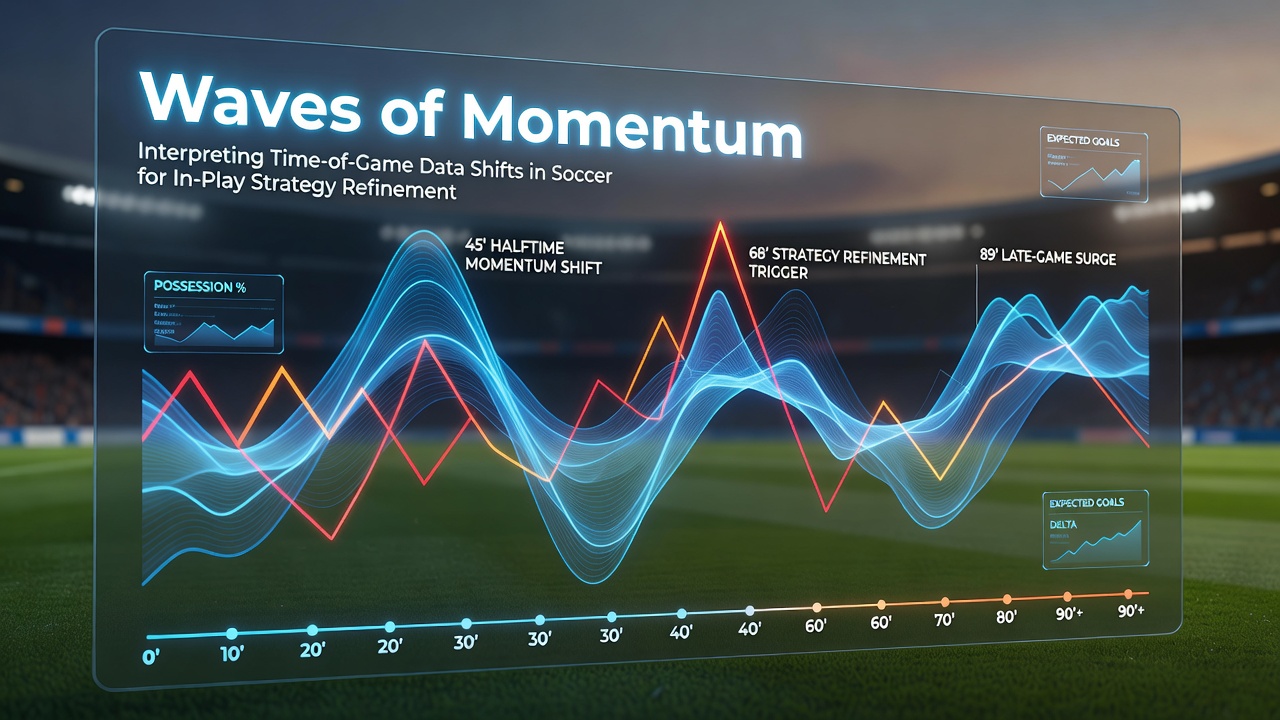
Time-of-game data in soccer captures granular metrics such as possession sequences, pass completion rates, and high-intensity runs that evolve minute by minute, allowing analysts to detect momentum waves before they become obvious on the scoreboard. Researchers at institutions across Europe and North America have compiled datasets showing how these shifts often cluster around the 25-35 minute mark and again near the 70-minute threshold, periods when teams adjust formation or tempo in response to fatigue signals. Observers note that clubs tracking these patterns through integrated software can refine substitutions and tactical instructions with greater precision during matches.
Measuring Momentum Through Sequential Data Points
Momentum shifts register through combinations of expected goal values, duel win percentages, and spatial control metrics that update continuously rather than in static snapshots. Studies from the German Football League and Australian sports science programs indicate that a sustained rise in progressive carries over a five-minute window frequently precedes increased shot creation, while a drop in regains in the middle third signals defensive vulnerability. Analysts combine these elements into rolling indices that highlight transitions, and teams in leagues such as Major League Soccer have incorporated similar models to guide in-game decisions. Data collected during the opening weeks of August 2026 reinforced earlier findings, revealing that clubs maintaining above-average progressive pass rates in the final 20 minutes converted more draws into wins across multiple competitions.
Case Examples From Recent Seasons
One European club reviewed post-match files from its 2025 campaign and identified a recurring pattern where losing control of the right half-space after the 60th minute correlated with conceding chances from cut-back passes. Staff adjusted full-back positioning and midfield trigger presses accordingly, producing measurable improvements in the subsequent fixtures. Similar adjustments appeared in South American competitions where analysts flagged declining sprint distances in central midfielders around the 55-minute mark, prompting earlier rotations that preserved counter-press intensity. These instances illustrate how time-stamped data streams translate into actionable refinements rather than retrospective summaries.
Integration With In-Play Tactical Systems
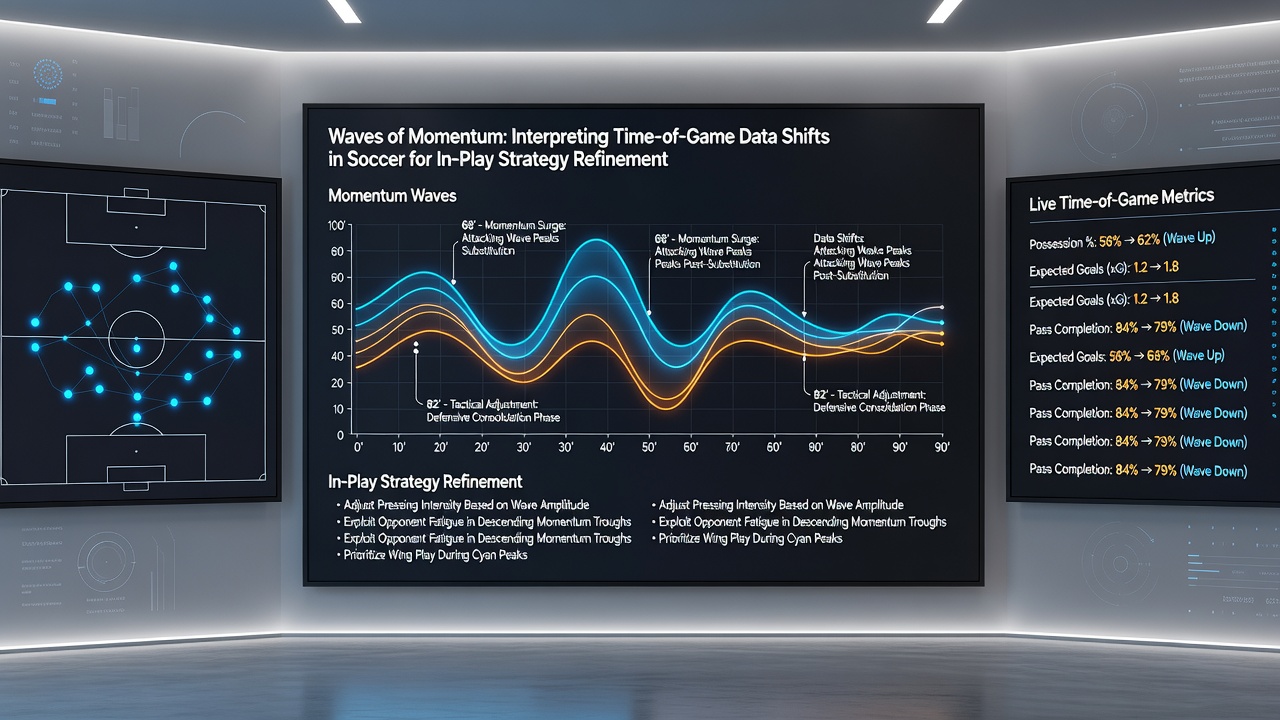
Coaching setups now link wearable and camera-derived data to tablets on the touchline, enabling real-time comparison of current sequences against historical benchmarks for the same fixture phase. When pass accuracy in the attacking third falls below a pre-set threshold for three consecutive minutes, managers receive alerts that prompt formation tweaks or personnel changes. European Club Association technical reports highlight how several squads reduced goals conceded after implementing these alerts, though outcomes vary by squad depth and opponent quality. The process requires calibration so that thresholds reflect each team's style rather than generic league averages.
Challenges in Data Interpretation and Calibration
Raw metrics sometimes mask context such as weather effects or refereeing tendencies that alter the pace of play, requiring analysts to layer additional filters onto the base models. Canadian and Scandinavian research groups have tested multi-variable frameworks that account for opponent pressing intensity and pitch dimensions, improving the reliability of momentum forecasts. Yet even refined systems produce false positives when teams intentionally slow tempo to manage a lead, underscoring the need for human oversight alongside algorithmic output. August 2026 data releases showed continued refinement of these filters, with clubs reporting tighter alignment between predicted and observed shift points.
Future Developments in Real-Time Analysis
Advancements in edge computing now allow processing of tracking data with reduced latency, opening pathways for predictive alerts that anticipate momentum changes rather than merely documenting them. Partnerships between clubs and technology providers continue to expand the range of inputs, including biomechanical load estimates that correlate with reduced duel success in later stages. Those working with these tools emphasize iterative validation against match outcomes to maintain accuracy across varying competition contexts and schedules.
Conclusion
Time-of-game data shifts provide structured signals that support in-play tactical adjustments when interpreted through calibrated models and combined with contextual awareness. Continued collection and cross-league comparison will likely sharpen these applications, offering teams additional levers for maintaining or regaining control during matches.